Intel Core i7
The Intel Core i7 family has been a symbol of balance and high performance since its debut. From the Sandy Bridge generation in 2011 to the latest Raptor Lake Refresh in 2023, it has continuously evolved to meet the needs of gamers, creators, and professionals.
2nd Gen: Sandy Bridge (2011)
Sandy Bridge revolutionized computing with a 32 nm design, Intel HD 3000 graphics, and Turbo Boost 2.0, dynamically increasing clock speeds under load.
With four cores and eight threads, it delivered unprecedented efficiency and power, introducing overclocking features that made it a favorite among PC enthusiasts.
8th Gen: Coffee Lake (2017–2019)
Coffee Lake upgraded the architecture to 14 nm++ and increased the i7 to 6 and 8 cores, offering huge improvements in multitasking and gaming performance.
Enhanced energy management and faster DDR4 memory made this generation perfect for content creators and streamers who needed sustained high performance.
11th Gen: Rocket Lake (2021)
Rocket Lake introduced Cypress Cove cores, boosting IPC performance and integrating Intel Xe graphics.
This generation offered excellent single-thread power and strong integrated visuals for general use and light gaming.
12th Gen: Alder Lake (2021)
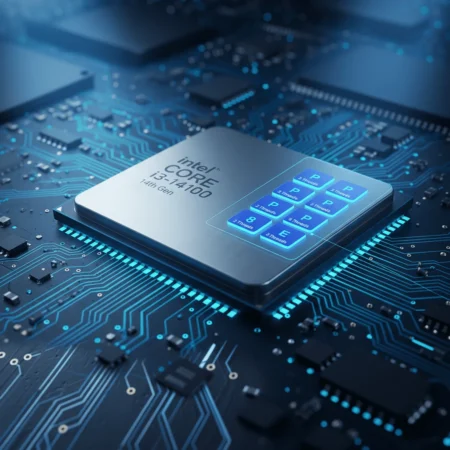
Alder Lake brought the hybrid architecture combining P-Cores and E-Cores, balancing high performance and efficiency.
It added support for DDR5, PCIe 5.0, and Wi-Fi 6E, positioning the i7 as a future-ready CPU for demanding workloads.
14th Gen: Raptor Lake Refresh (2023)
The Raptor Lake Refresh perfected the hybrid design, with higher clock speeds, increased cache, and improved heat efficiency.
It delivers superior results in 4K gaming, video editing, and professional software, offering a seamless multitasking experience.
From Sandy Bridge to Raptor Lake Refresh, the Intel Core i7 has evolved into a processor that perfectly blends speed, stability, and innovation. In 2025, it remains a powerhouse for anyone seeking professional performance and reliable computing.