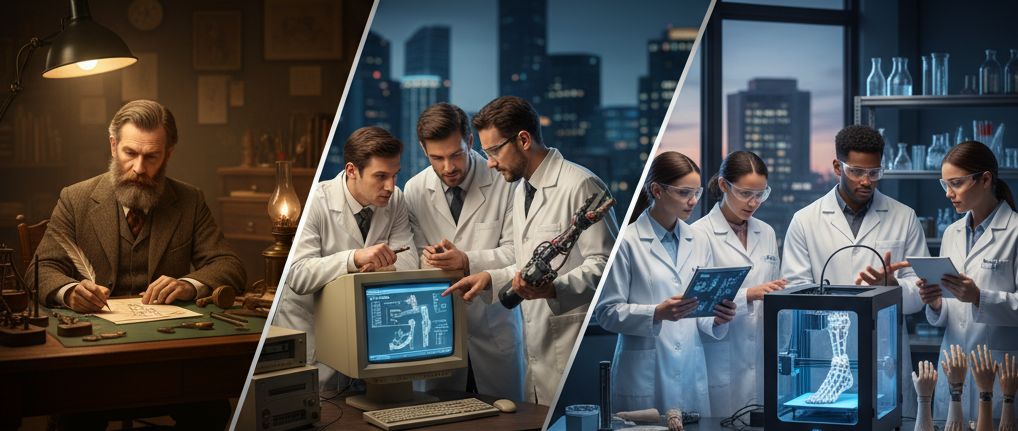
The evolution of technological medical prosthetics is a story of human ingenuity, scientific breakthroughs, and inventors who dedicated their lives to improving mobility, independence, and the quality of life of millions of people. From the earliest handcrafted mechanical prosthetics to robotic systems controlled by brain signals, every advancement has been made possible by pioneers who challenged norms and redefined what the human body can achieve with the help of technology. This article highlights the most influential inventors in the evolution of modern medical prosthetics and examines their social impact as well as ongoing innovations shaping the future of the field.
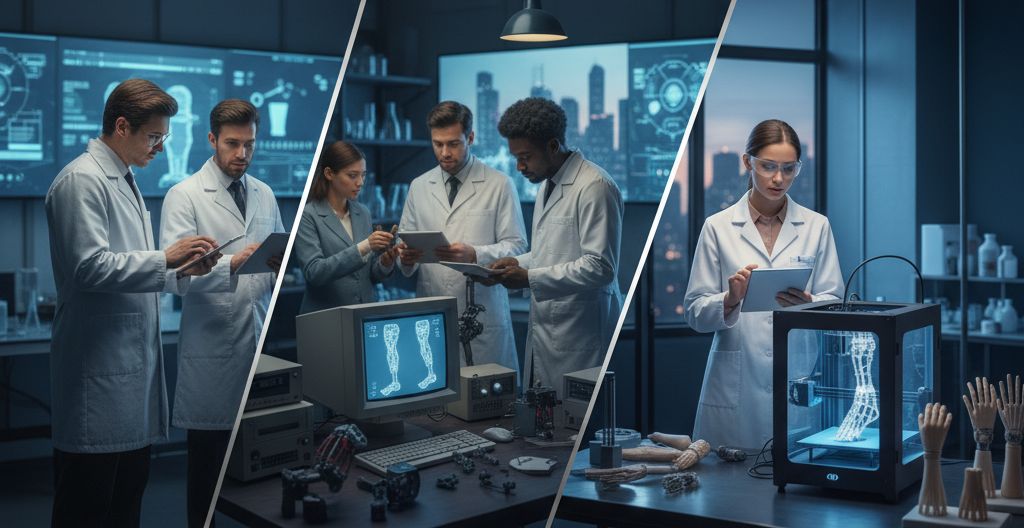
Early Pioneers: Laying the Foundations for Functional Design
For centuries, prosthetics were limited to rigid, non-functional devices that primarily served cosmetic purposes rather than restoring mobility. However, with the Renaissance and the rise of early engineering, visionaries began to transform this landscape.
Peter Verdine: The Father of Modern Prosthetics
Peter Verdine, a name that resonates strongly in the history of orthopedics, is recognized as one of the first inventors to design a truly functional prosthetic with a biomechanical focus. In the 17th century, he developed an artificial leg with a mechanical joint, a groundbreaking innovation for its time. Until then, prosthetics were mainly aesthetic, but Verdine introduced the concept of dynamic articulation.
His prosthetic featured a rudimentary yet effective knee joint that allowed for a more natural walking motion. While primitive compared to modern standards, this invention laid the groundwork for the engineering of functional prosthetics and established the principle that a prosthetic should replicate movement, not just replace a limb visually.
James Potts and the Steel Articulated Knee
In the 19th century, James Potts took prosthetic design to a new level by incorporating a steel hinge in the knee joint. Known as the “Anglo-American Leg,” this prosthetic was lightweight, durable, and far more stable than previous designs.
Potts’ design included a system of pulleys and straps that mimicked tendon movement, allowing smoother flexion. This represented a quantum leap in ergonomics and paved the way for modern articulated prosthetics. Thousands of injured soldiers found in this invention a renewed opportunity to walk with greater freedom and reduced pain.
Marcel Desoutter: Innovation in Materials and Design
In 1912, British aviator Marcel Desoutter lost a leg in an accident. Motivated by the need to walk and continue flying, he designed a prosthetic that was much lighter than anything previously available.
Desoutter used lightweight steel and aeronautical aluminum, significantly reducing the weight. This approach revolutionized the industry because older prosthetics were heavy, rigid, and difficult to handle. His invention not only inspired a new generation of more comfortable devices but also led to the creation of a manufacturing company that became a global leader, aiding the rehabilitation of thousands of soldiers after World War I.
The 20th Century: The Rise of Electronics and Precision Engineering
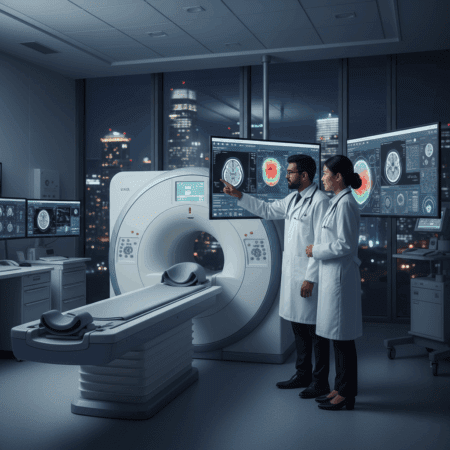
With the advent of new technologies, sensors, electric motors, and composite materials, prosthetic engineering advanced significantly. Myoelectric prosthetics, controlled via muscle signals, began to emerge, paving the way for modern robotic prosthetics.
Military and biomedical research laboratories collaborated closely to develop systems that restored realistic functionality, particularly after wars when thousands required advanced rehabilitation solutions.
Contemporary Innovation: From 3D Printing to Intelligent Bionic Prosthetics
In recent years, the convergence of 3D printing, robotics, precision electronics, and artificial intelligence has transformed the prosthetic industry completely.
3D Printing as a Global Equalizer
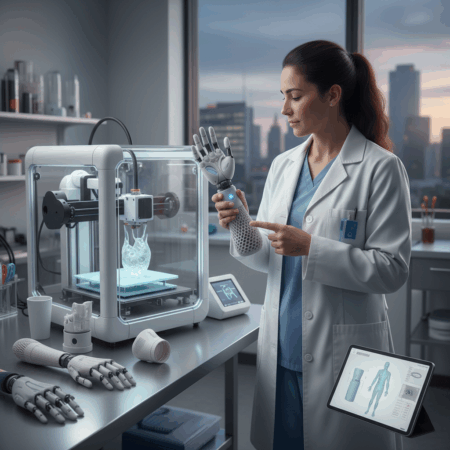
Additive manufacturing has enabled the production of low-cost, fully customized prosthetics tailored to the user’s anatomy. Using three-dimensional scans, precise models of the residual limb are obtained, resulting in devices that are more comfortable and accurate.
3D prosthetics have become an accessible solution for children, low-income families, and rural communities that previously lacked access to specialized medical technology.
Pixed in Peru: Latin American Innovation with Global Impact
A notable example is the team at Pixed in Peru, who developed a bionic prosthetic with an elbow joint designed to replicate human motion more naturally. By integrating motors, sensors, and microcontrollers, their device allows complex movements with higher precision.
This type of innovation demonstrates that groundbreaking solutions are not limited to major global tech hubs; Latin America is contributing disruptive solutions that expand rehabilitation possibilities.
Neuroprosthetics: Controlled by Brain Signals
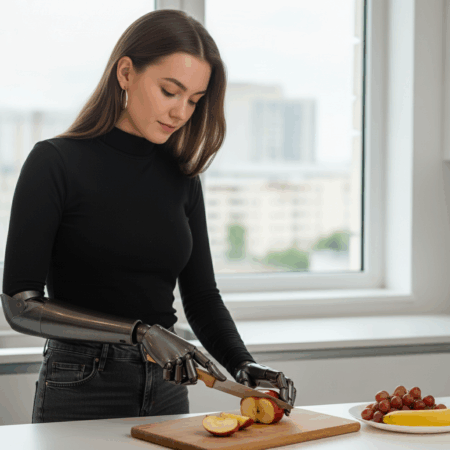
Perhaps the most impressive advancement today is the development of prosthetics controlled directly by neural or residual nerve activity. Electrodes implanted in the nervous system can interpret electrical impulses and translate them into real prosthetic movements.
This approach enables:
- More natural motion
- Faster response times
- Intuitive control
- Adaptive learning through AI
The combination of neuroengineering and artificial intelligence is paving the way for prosthetics that “learn” from the user and dynamically adapt to their movement patterns.
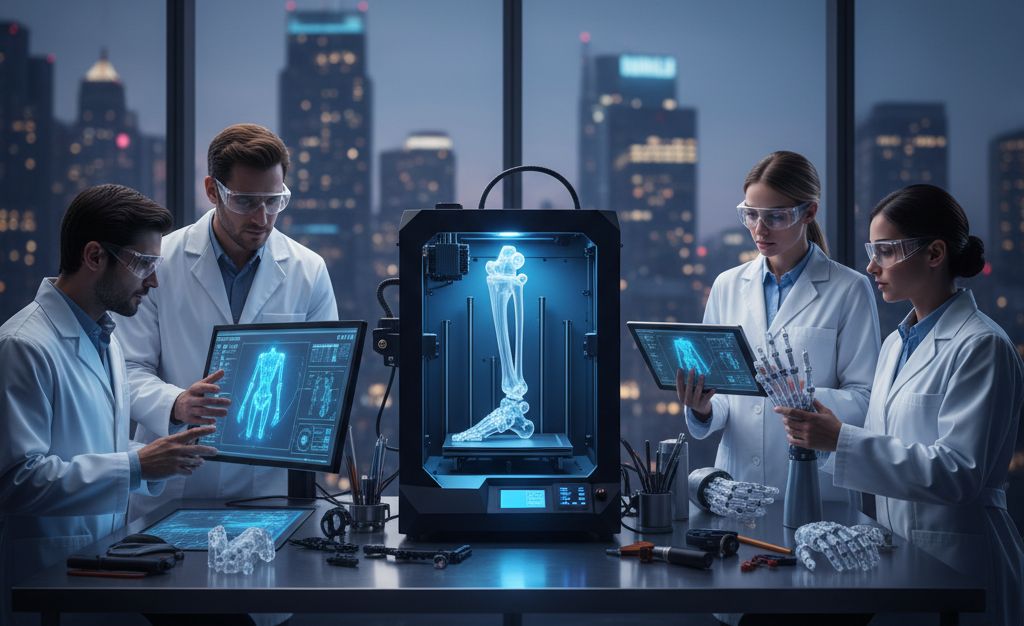
Social Impact: More Than Technology, Human Transformation
Inventors driving these technologies have not only transformed devices but also lives. Thanks to their work:
- Millions of people regained independence
- Physical and social barriers were reduced
- Employment opportunities increased
- Inclusion and mobility were promoted
From rudimentary mechanisms to advanced robotic prosthetics, each advancement represents a victory for human dignity.
The Future: Bioactive Materials, AI, and Integrated Robotics
Current research is focused on:
- Prosthetics with haptic sensors detecting pressure, texture, and temperature
- Self-healing and bioactive materials
- Full integration between the nervous system and external devices
- AI capable of predicting movements and enhancing user experience
The future promises prosthetics more human than ever, naturally integrating with the body and providing capabilities beyond traditional devices.
Learning about these pioneers allows us to appreciate the technological evolution of medical prosthetics and recognize that each advancement is the result of decades —and even centuries— of scientific dedication. These inventors not only changed prosthetic engineering but also the lives of those who depend on these technologies. Their legacy continues to inspire new generations seeking to create a more inclusive, accessible, and technologically advanced world.