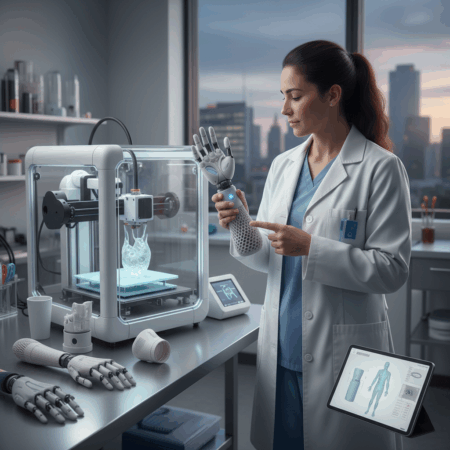
AI-Powered Medical Imaging Systems: Transforming Diagnosis in Real-Time
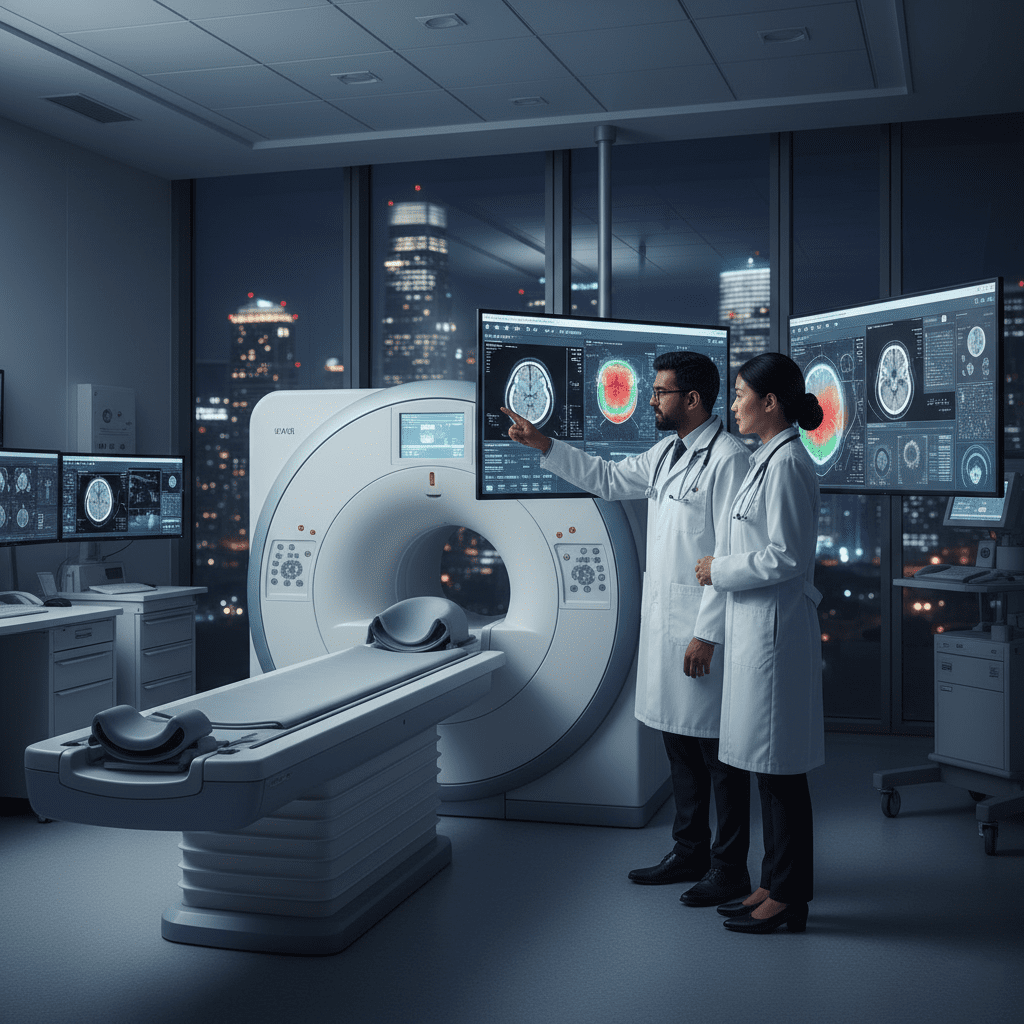
The integration of artificial intelligence (AI) into medical imaging systems is revolutionizing disease diagnosis and management worldwide. Advanced deep learning algorithms and neural networks empower modern systems to interpret X-rays, CT scans, MRIs, and other medical images in real-time, delivering rapid and highly accurate preliminary diagnoses. This combination of specialized hardware and intelligent software accelerates clinical workflows and fosters more preventive, personalized, and accessible healthcare.
What Are AI Medical Imaging Systems?
These systems merge cutting-edge imaging hardware with AI software capable of automatic image analysis. AI detects patterns, anomalies, and early signs of diseases that may evade human detection, enhancing diagnostic speed and accuracy. Continuously learning from vast datasets, these systems refine their precision and adapt to emerging diseases and variants.
Typical hardware includes advanced scanners, high-resolution sensors, and specialized processors designed to handle large data volumes. The software utilizes convolutional neural networks and deep learning models trained on millions of labeled images, enabling detection of subtle anatomical changes and microscopic features.
Benefits of Automated Interpretation
Speed
One immediate advantage is the rapid delivery of diagnostic results. Images can be interpreted within seconds or minutes, drastically reducing patient wait times and facilitating early treatment—crucial in emergencies such as strokes, where every second matters.
Accuracy
AI algorithms, trained on extensive datasets, often surpass human performance in detecting complex conditions. This includes early detection of cancers (breast, lung, prostate, colon), cardiovascular diseases, infections, and neurological disorders. Recognizing subtle patterns enables timely interventions and improves treatment outcomes.
Efficiency
Automating repetitive tasks—like reading hundreds of images or filtering routine exams—frees radiologists and specialists to focus on critical cases and complex analyses. This enhances healthcare efficiency and reduces clinician workload.
Accessibility
AI-powered imaging enhances access to advanced diagnostics in medically underserved regions. Cloud-connected systems transmit images to specialized centers where AI generates automatic interpretations, enabling remote care and reducing healthcare disparities.
Safety and Human Oversight
Despite AI’s capabilities, results are not infallible. Human oversight remains essential to validate diagnoses and ensure accurate interpretation. Trained radiologists review AI-generated results, correct potential errors, and make final treatment decisions, ensuring AI complements clinical expertise rather than replacing it.
Current Applications
AI is currently utilized in early detection of various diseases:
- Cancer: Automated tumor detection in breast, lung, prostate, and colon imaging.
- Cardiology: Identifying arterial blockages, heart failure, and heart attack risks.
- Neurology: Detecting strokes, aneurysms, and brain injuries.
- Pulmonary diseases: Recognizing pneumonia, fibrosis, and chest abnormalities.
In operating rooms, AI-enabled imaging systems provide real-time guidance for precise, minimally invasive procedures.
Future of AI in Medical Imaging
The future holds even more advanced integrations:
- Augmented reality to overlay AI-processed images during surgery for surgeon guidance.
- 3D modeling that reconstructs organs to plan complex procedures.
- Personalized medicine combining genetic data, clinical history, and imaging for tailored treatments.
- Continuous learning AI systems that update automatically with new data, enhancing performance.
The convergence of AI, imaging, and predictive analytics is shaping a smarter, more precise, and human-centered healthcare model, delivering rapid diagnoses and timely treatments globally.