Robotic Prosthetics
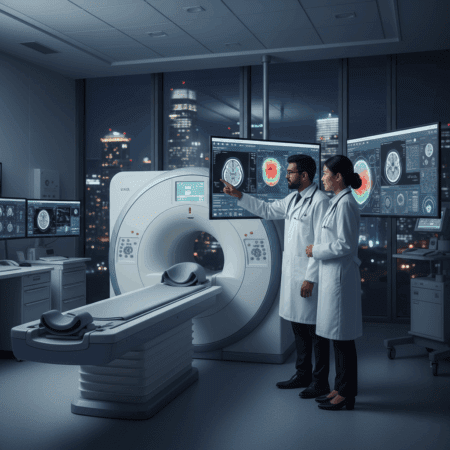
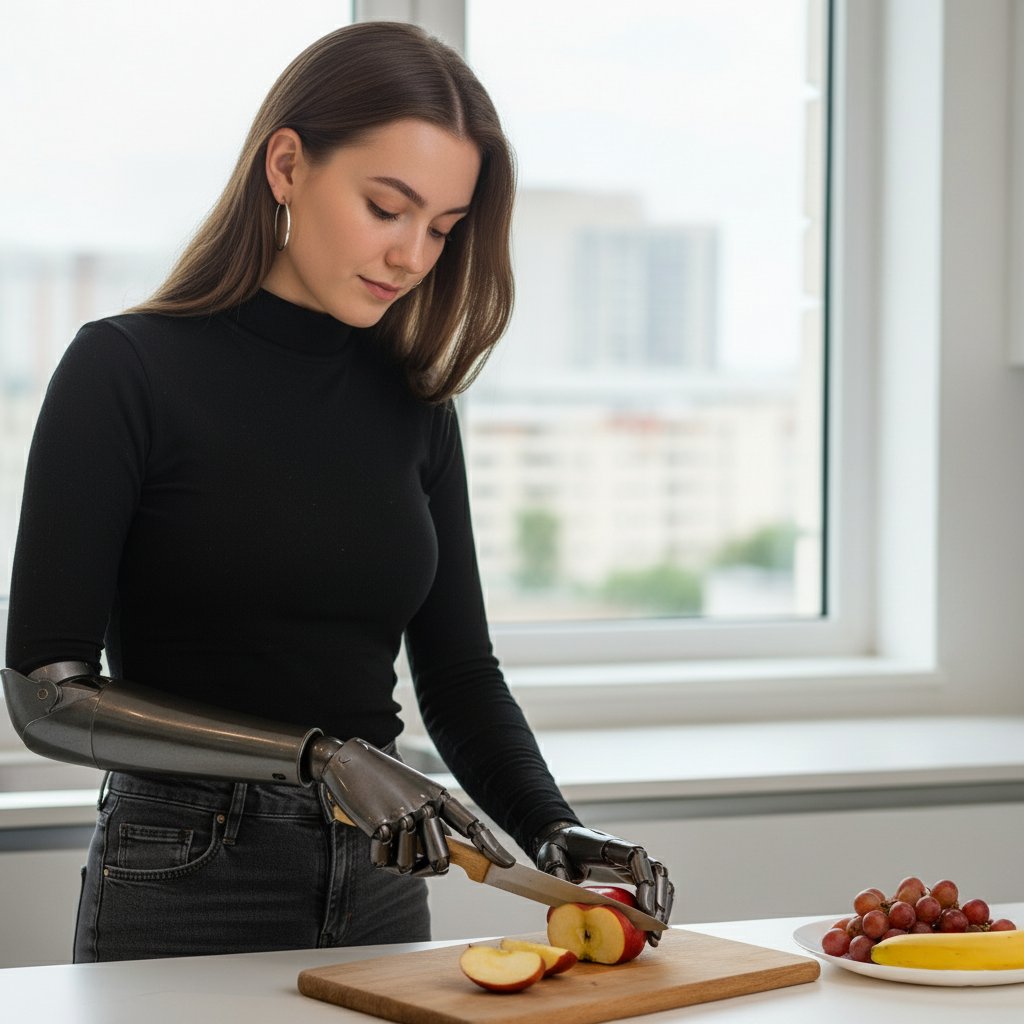
Myoelectric robotic prosthetics represent a groundbreaking achievement in the fusion of biotechnology and artificial intelligence. By harnessing the body’s natural electrical signals, these advanced devices allow amputees to regain control and functionality with movements that closely mimic the human body’s natural patterns.
How Myoelectric Prosthetics Work
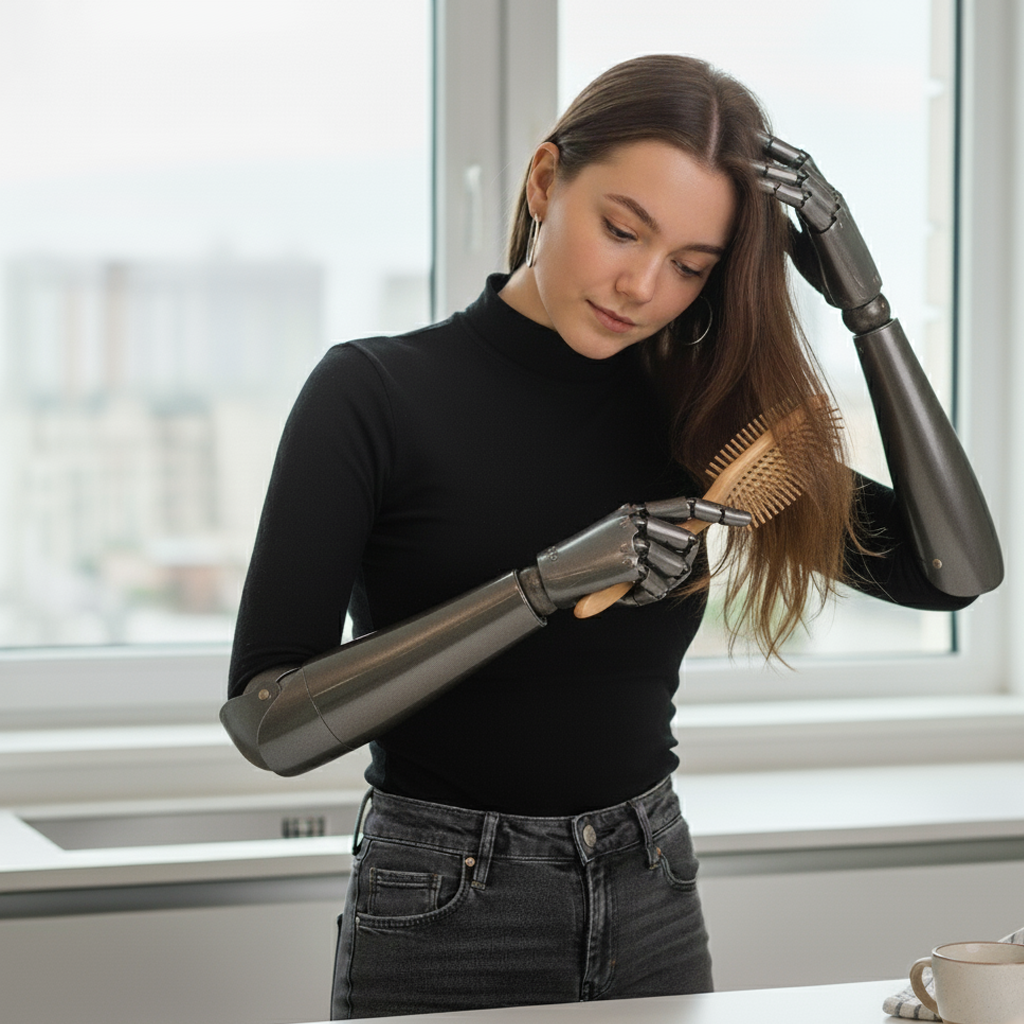
The system relies on electromyographic (EMG) sensors that detect tiny electrical impulses generated by residual muscles. These signals are amplified, filtered, and translated by a microcontroller into commands that drive motors and actuators within the prosthesis.
Through machine learning algorithms, each device gradually adapts to the unique muscular patterns of the user, enhancing precision, responsiveness, and comfort. Over time, the prosthetic “learns” how the user moves, providing smoother and more intuitive control.
Haptic Feedback: The Sense of Touch Returns
Modern prosthetics are no longer limited to motion — they are beginning to restore the sense of touch. Haptic feedback systems send tactile or vibratory responses back to the user, allowing them to perceive grip strength, texture, or pressure in real time.
This technology creates a closed sensory-motor loop, enabling more natural movement and reducing visual dependence, as the user can feel rather than constantly watch their prosthetic hand.
Success Stories and Global Research
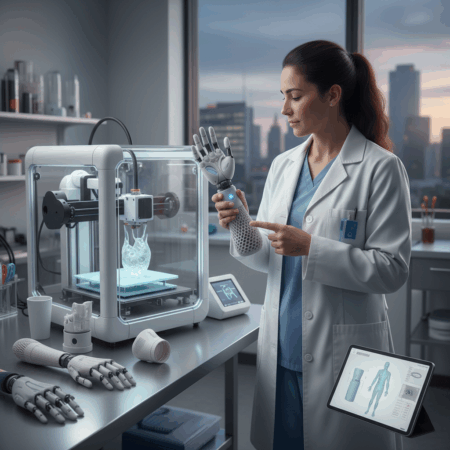
One notable project from the Pontifical Catholic University of Peru (PUCP) developed a 3D-printed prosthetic hand with haptic feedback, combining affordability with advanced neural control.
Similarly, the Cienciactiva project in Peru designed a transradial prosthetic arm capable of adjusting grip force dynamically using EMG sensors and adaptive feedback algorithms — bringing precision and sensitivity to real-life applications.
Leading Brands in Myoelectric Robotics
- Ottobock (Germany): high-precision prosthetics featuring advanced EMG control and ergonomic design.
- Coapt Systems (USA): machine-learning control systems for enhanced movement accuracy.
- Open Bionics (UK): developer of the Hero Arm, a 3D-printed prosthetic with customizable sensors and accessible pricing.
Regulatory Framework and Challenges
These medical devices are subject to rigorous FDA and CE certifications to ensure long-term safety and biocompatibility. Moreover, as prosthetics increasingly rely on biometric data, privacy and cybersecurity regulations play a key role in their deployment.
The Future of Intelligent Prosthetics
While affordability, durability, and sensory fidelity remain challenges, progress in AI-driven adaptation and neural interfacing promises a new era of smart prosthetics that merge seamlessly with the human nervous system.
Soon, advanced models could transmit temperature, vibration, and pressure sensations directly to the brain — a future where robotic limbs not only move like human ones but truly feel like them.